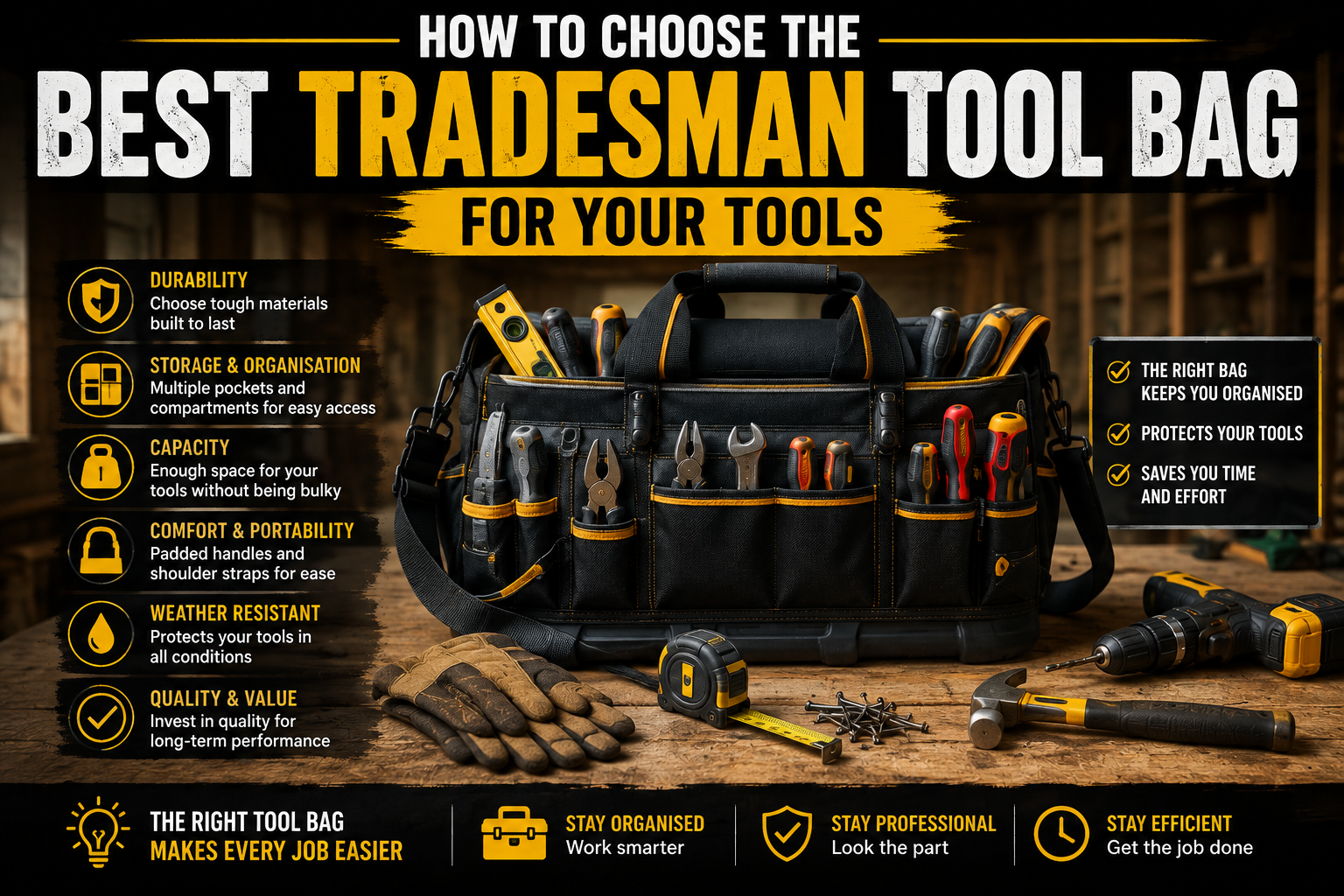
Choosing the right Tradesman tool bag can make a significant difference to daily work. Whether working on a building site, carrying out repairs, fitting fixtures or handling general maintenance, the right tool storage solution keeps essential equipment organised, protected and easy to reach.
A good tool bag should offer a practical balance of durability, storage capacity, portability and accessibility. With so many options available, understanding what to look for can help you choose a bag that suits your tools and working routine.
At Bricky’s Buddy, we understand that tradespeople need dependable storage for demanding working environments. This guide explains the key features to consider when selecting the best tool bag for professional use.
What Is a Tradesman Tool Bag?
A Tradesman tool bag is designed specifically for carrying and organising hand tools, accessories and essential equipment. Unlike a standard bag, a professional tool bag usually includes multiple compartments, reinforced construction, strong handles and practical storage sections.
A suitable bag can hold items such as:
- Screwdrivers
- Spanners
- Pliers
- Hammers
- Tape measures
- Utility knives
- Drill accessories
- Fixings and fasteners
- Small power tools
- Safety equipment
Choosing the right size is important. A bag that is too small can become overcrowded, while an oversized bag may add unnecessary weight.
1. Consider the Type and Number of Tools
Start by making a list of the tools carried on a typical working day. A bricklayer may require different storage from an electrician, carpenter, plumber or general builder.
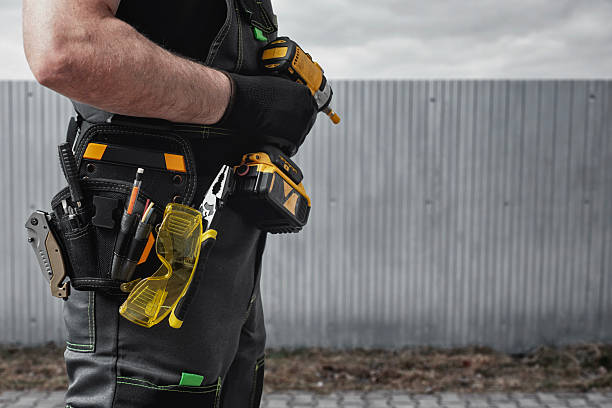
For a compact collection of hand tools, a Tool pouch can provide quick access without carrying a large bag. A pouch can be especially useful for frequently used items such as a tape measure, pencil, screwdriver and utility knife.
For a larger collection, a full-size Builders tool bag can provide additional compartments and greater carrying capacity.
Consider:
- How many tools need to be carried?
- Are power tools included?
- Are accessories and fixings required?
- Does the work require quick access to frequently used tools?
- Is additional space needed for future tools?
A clear understanding of daily requirements makes selection much easier.
2. Look for Durable Construction
A professional tool bag needs to cope with regular use. Construction sites, workshops and outdoor jobs can expose equipment to dust, moisture, sharp edges and heavy loads.
A Heavy duty tool bag is often a practical choice for demanding environments. Look for strong materials, reinforced stitching and durable handles. A reinforced base can also help protect the contents when the bag is placed on concrete, paving or other rough surfaces.
Common materials include heavy-duty polyester, canvas and reinforced fabrics. Material choice should reflect the working environment and expected frequency of use.
3. Check the Storage Layout
Storage design is just as important as overall capacity. A well-designed Tool bag organiser can make it easier to separate equipment and locate the right item without emptying the entire bag.
Look for a combination of:
- Internal compartments
- External pockets
- Tool loops
- Zipped sections
- Open-access pockets
- Small parts compartments
- Dedicated spaces for frequently used tools
An organised layout can save valuable time during a busy working day. Keeping tools in consistent positions also makes it easier to check whether an item has been left behind after completing a job.
4. Choose the Right Capacity
Tool bags come in various sizes, from compact pouches to large professional storage bags.
A small bag may be suitable for short jobs where only essential tools are required. A medium-sized bag can provide a useful balance between storage and portability. A larger Builders tool bag may be more suitable for professionals carrying a wider range of equipment.
Avoid choosing a bag based purely on maximum capacity. More space can encourage unnecessary items to be carried, increasing overall weight.
The ideal size should provide enough room for essential equipment while remaining comfortable to transport.
5. Prioritise Comfort and Portability
A tool bag can become heavy when filled with metal hand tools, accessories and equipment. Comfortable carrying features can therefore make a noticeable difference.
Consider bags with:
- Padded handles
- Comfortable shoulder straps
- Adjustable straps
- Balanced weight distribution
- Strong reinforced carrying points
For professionals moving between different areas of a site, portability should be a key consideration.
A well-balanced Tradesman tool bag can make transporting equipment more convenient without compromising storage capacity.
6. Consider Tool Accessibility
Fast access is important when working under time pressure. A bag with a wide opening can make it easier to see and reach the contents.
Open pockets can be useful for frequently used tools, while zipped compartments can provide secure storage for smaller accessories.
Think about which tools are used most often. Keeping frequently required equipment in external or easy-access compartments can reduce unnecessary searching.
7. Think About Protection
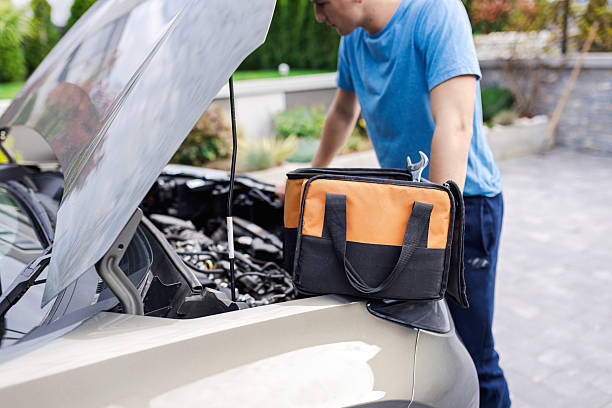
A quality tool bag should not only carry equipment but also help protect it. Separate compartments can prevent tools from constantly rubbing against one another.
A reinforced base can help protect the bag from wet or dirty surfaces. Strong zips and secure closures can also reduce the risk of tools falling out during transportation.
For professionals working outdoors, selecting durable construction with suitable protection can extend the useful life of both the bag and the equipment stored inside.
8. Match the Tool Bag to Your Trade
Different trades can benefit from different storage solutions.
A builder may prefer a spacious Builders tool bag with multiple compartments for a broad selection of hand tools. A tradesperson carrying only essential equipment may prefer a compact Tool pouch.
For demanding site work, a Heavy duty tool bag with reinforced construction may offer greater durability. Professionals carrying smaller accessories can benefit from a dedicated Tool bag organiser.
The best choice depends on the tools, work environment and daily requirements.
Why Choose Bricky’s Buddy for Trade Tool Storage?
Bricky’s Buddy focuses on practical products designed with working professionals in mind. The right storage solution can help keep tools organised, accessible and ready for the next job.
When comparing tool storage options, focus on durability, capacity, organisation, comfort and accessibility rather than choosing based only on appearance or price.
A well-selected Tradesman tool bag can become an essential part of a professional toolkit.
Final Thoughts
Choosing the best Tradesman tool bag starts with understanding the tools carried and the type of work performed. Consider the size, material, compartment layout, durability, comfort and accessibility before making a purchase.
A compact Tool pouch may suit essential hand tools, while a Builders tool bag can provide additional space for a wider collection. For demanding working conditions, a Heavy duty tool bag offers a robust storage option, while a Tool bag organiser can improve everyday organisation.
The right tool storage solution should make work more efficient, keep equipment protected and provide convenient access throughout the day. With the right choice from Bricky’s Buddy, professional tool storage can become simpler, more organised and more practical.
Frequently Asked Questions
What size Tradesman tool bag should I choose?
Choose a size based on the number and type of tools carried regularly. A compact bag suits essential hand tools, while a larger bag works better for professionals carrying a broad selection of equipment.
Is a Tool pouch better than a tool bag?
A Tool pouch is useful for carrying a small selection of frequently used tools. A full tool bag provides greater capacity and more storage compartments. The best option depends on the type of work and number of tools required.
What makes a Heavy duty tool bag durable?
A Heavy duty tool bag usually features strong materials, reinforced stitching, durable handles and a robust base. Quality zips and reinforced stress points can also improve long-term performance.
What should a Builders tool bag contain?
A Builders tool bag can provide storage for hammers, screwdrivers, pliers, tape measures, utility knives, levels, fixings and other essential site equipment. The exact contents depend on the type of building work.
How can a Tool bag organiser improve productivity?
A Tool bag organiser creates dedicated storage areas for different tools and accessories. A consistent layout can make equipment easier to locate and reduce time spent searching through a crowded bag.
How do I maintain a Tradesman tool bag?
Remove dust and debris regularly, check zips and stitching, avoid overloading the bag and store the bag in a dry location when not in use. Regular care can help maintain the condition of the storage bag.
What is the most important feature of a Tradesman tool bag?
Durability, storage organisation and comfortable portability are among the most important features. The ideal combination depends on the working environment and tools carried every day.