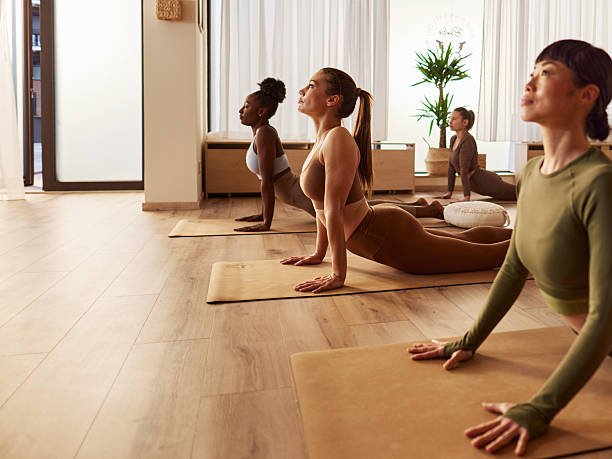
Modern life can make it difficult to stay active and relaxed. Long hours at a desk, busy schedules, limited movement, and daily responsibilities can gradually affect how the body feels. Tight muscles, reduced mobility, poor posture, and everyday stress may become part of a routine without people realizing how much they influence overall well-being.
Yoga offers a practical way to combine movement, controlled breathing, flexibility work, and mindfulness. For people who want to become more active while creating time to slow down, yoga classes pearland tx can provide a structured environment for developing healthier movement habits and supporting everyday wellness.
Understanding the Connection Between Mobility and Stress
Physical movement and mental well-being are closely connected. When someone spends most of the day sitting or moving in repetitive ways, certain areas of the body may become stiff or uncomfortable. At the same time, stress can contribute to muscle tension, shallow breathing, and difficulty relaxing.
Yoga addresses both areas through intentional movement and breathing. Gentle stretches can encourage mobility, while controlled poses help participants become more aware of posture and body position. Breathing exercises can also encourage people to slow their pace and focus their attention.
This combination makes yoga different from exercise that focuses exclusively on speed, strength, or endurance. It creates an opportunity to work on physical and mental aspects of wellness at the same time.
Supporting Everyday Mobility
Mobility refers to the ability to move joints and body parts through an appropriate range of motion with control. Good mobility can make ordinary activities feel easier, from reaching for something on a shelf to getting out of a chair or turning comfortably while walking.
Yoga includes many movements that involve the hips, shoulders, spine, ankles, and other areas important for everyday movement. Practicing these movements consistently can help individuals become more familiar with their body’s available range of motion.
For example, gentle hip-opening movements may complement activities that involve prolonged sitting. Shoulder and upper-back movements may be useful for people who spend significant time working at a computer. Controlled spinal movements can encourage awareness of how the torso moves in different directions.
The goal is not to force flexibility. Instead, yoga encourages gradual, controlled movement that respects individual limitations.
Encouraging Better Posture
Posture can be influenced by work habits, lifestyle, physical activity, and individual movement patterns. Spending hours sitting at a computer or looking down at a phone may encourage certain postural habits.
Yoga can help participants become more aware of alignment and positioning. Many poses require the practitioner to pay attention to the position of the spine, shoulders, hips, and feet.
This awareness can extend beyond the yoga session. Once people become more conscious of how they sit, stand, and move, they may begin making small adjustments throughout the day.
Better posture is not about maintaining one rigid position all day. Healthy movement involves changing positions regularly and allowing the body to move naturally.
Using Breathing to Manage Everyday Stress
Breathing is one of the simplest parts of yoga, but it can have an important role in the overall experience. Many yoga practices coordinate breathing with movement, encouraging participants to slow down and pay attention to each breath.
During stressful situations, people may unconsciously hold their breath or breathe more quickly. Intentional breathing can provide a moment to pause and redirect attention.
Yoga does not eliminate the sources of everyday stress, but it can create a regular opportunity to practice relaxation and mindful awareness. This may be particularly valuable for people who spend much of their day switching between work, family responsibilities, errands, and other demands.
A consistent yoga routine can become a personal reset—a scheduled period when the focus shifts away from external distractions and toward movement and breathing.
Helping Release Muscle Tension
Stress and prolonged inactivity can contribute to feelings of tightness. Areas such as the neck, shoulders, hips, and lower back may feel particularly affected by repetitive positions and daily habits.
Yoga uses controlled stretching and movement to address different areas of the body. Rather than simply holding a stretch, many poses encourage participants to coordinate breathing, positioning, and controlled transitions.
This mindful approach can make people more aware of where they feel tension. It also encourages individuals to avoid rushing into movements that feel uncomfortable.
If a person experiences persistent pain or has a known injury, it is important to seek appropriate professional guidance rather than assuming yoga alone will address the underlying problem.
Creating a More Active Lifestyle
One challenge with exercise is finding an activity that feels realistic enough to maintain. If a routine is too demanding or does not fit someone’s interests, consistency can become difficult.
Yoga can offer flexibility in terms of intensity and style. Beginners may start with gentle sessions, while more experienced participants can explore practices that require greater strength, balance, and endurance.
This adaptability can make yoga easier to incorporate into a broader wellness routine. Someone might attend a yoga class alongside walking, strength training, recreational sports, or other activities.
The objective is not necessarily to choose one perfect workout. Instead, creating a variety of enjoyable movement options can help make an active lifestyle more sustainable.
Building Body Awareness
One of yoga’s valuable qualities is that it encourages people to pay attention to how they move. Instead of completing exercises automatically, participants are often encouraged to notice breathing, balance, alignment, muscle engagement, and physical sensations.
This increased awareness can help people recognize when a movement feels comfortable or when they may need to modify an activity.
Body awareness can also encourage more thoughtful exercise decisions. For example, someone may learn to distinguish between normal effort and discomfort that suggests they should stop or adjust a movement.
At Live to Move Physical Therapy & Wellness, an emphasis on thoughtful movement and individualized wellness can help people approach physical activity with greater awareness and confidence.
Choosing an Appropriate Yoga Class
Not every yoga class is designed for the same audience. Some sessions may emphasize relaxation and gentle mobility, while others may involve more demanding strength and balance work.
When considering yoga classes pearland tx, individuals should look for a program that matches their experience, physical abilities, and personal goals.
Beginners may benefit from instructors who explain movements clearly and provide modifications. People with specific movement concerns should communicate those concerns with the instructor and, when appropriate, seek guidance from a qualified healthcare professional.
A supportive environment can make learning easier and help participants feel comfortable progressing at their own pace.
Making Yoga Part of a Long-Term Wellness Plan
The greatest value of yoga may come from consistency rather than occasional intense sessions. Developing a manageable schedule allows individuals to gradually build movement habits without making exercise feel overwhelming.
A wellness routine can include yoga along with adequate sleep, nutritious meals, regular walking, strength exercises, hydration, and time for relaxation.
It is also helpful to recognize that progress does not always look dramatic. Feeling more comfortable getting up in the morning, moving with greater confidence, taking regular breaks from sitting, or having a few minutes to breathe calmly can all represent meaningful improvements.
Live to Move Physical Therapy & Wellness encourages an active, personalized approach to wellness that can help individuals make movement a practical part of everyday life.
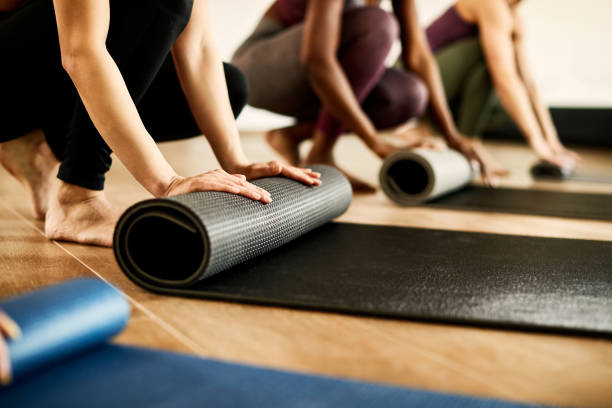
Conclusion
Mobility and stress management are important parts of maintaining a healthy lifestyle. Yoga brings these areas together by combining controlled movement, stretching, balance, breathing, and mindfulness.
For people exploring yoga classes pearland tx, the right program can provide an opportunity to improve movement habits while creating dedicated time to slow down and reconnect with the body.
Whether someone is new to exercise or already maintains an active lifestyle, yoga can be adapted to different needs and goals. With consistent practice, realistic expectations, and attention to individual abilities, it can become a valuable addition to a balanced wellness routine.
FAQ
1. Can yoga improve mobility?
Yes. Yoga includes controlled movements and stretches that can support joint mobility and help individuals become more comfortable moving through appropriate ranges of motion.
2. Can yoga help with everyday stress?
Yoga incorporates breathing, mindful movement, and relaxation techniques that may help people create a calmer routine and become more aware of how stress affects their bodies.
3. Is yoga suitable for beginners?
Yes. Many yoga sessions can be modified for beginners. Starting with basic movements and learning proper techniques can help new participants develop confidence.
4. How often should I practice yoga?
The ideal frequency depends on individual goals and schedule. Beginning with one or two sessions per week can be a practical way to establish consistency.
5. Can I do yoga if I have limited mobility?
Many yoga movements can be modified to accommodate different abilities. However, people with significant limitations, injuries, or ongoing pain should seek appropriate professional guidance before starting a new exercise program.